


An Integrated Model for
Stroke Care
Since its launch, the Tele-Stroke Network has connected six hospitals through a unified clinical protocol coordinated by neurologists at Hospital San Bernardo. By combining telemedicine, standardized emergency pathways, community prevention, and professional training, the network delivers specialized stroke care where it was previously unavailable.

Access
& Diagnosis

Training & Capacity Building

Community
Awareness

Telemedicine & Coordination
Neurologists at Hospital San Bernardo provide real-time remote support to hospitals across the province, ensuring timely clinical decisions when every minute counts.
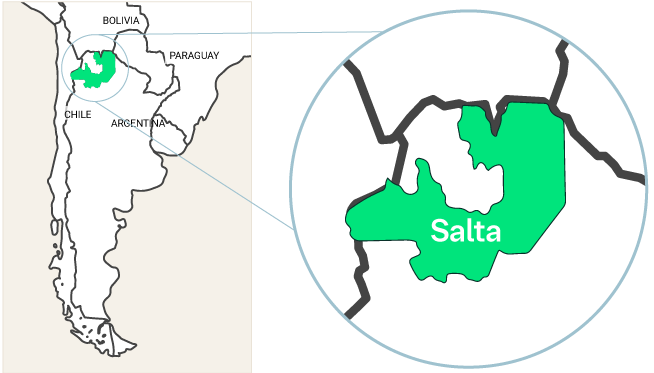
SALTA AND THE REGION
Why Salta Needed a Different Solution
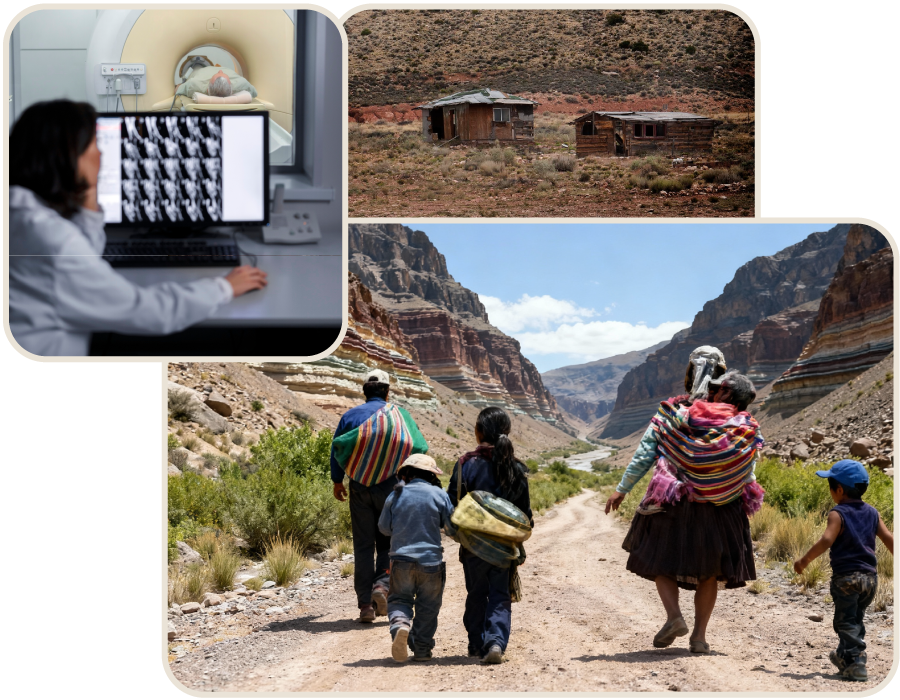
From remote mountain villages to Indigenous communities, delivering timely stroke care in Salta requires more than healthcar, it requires coordination, technology and local partnerships.
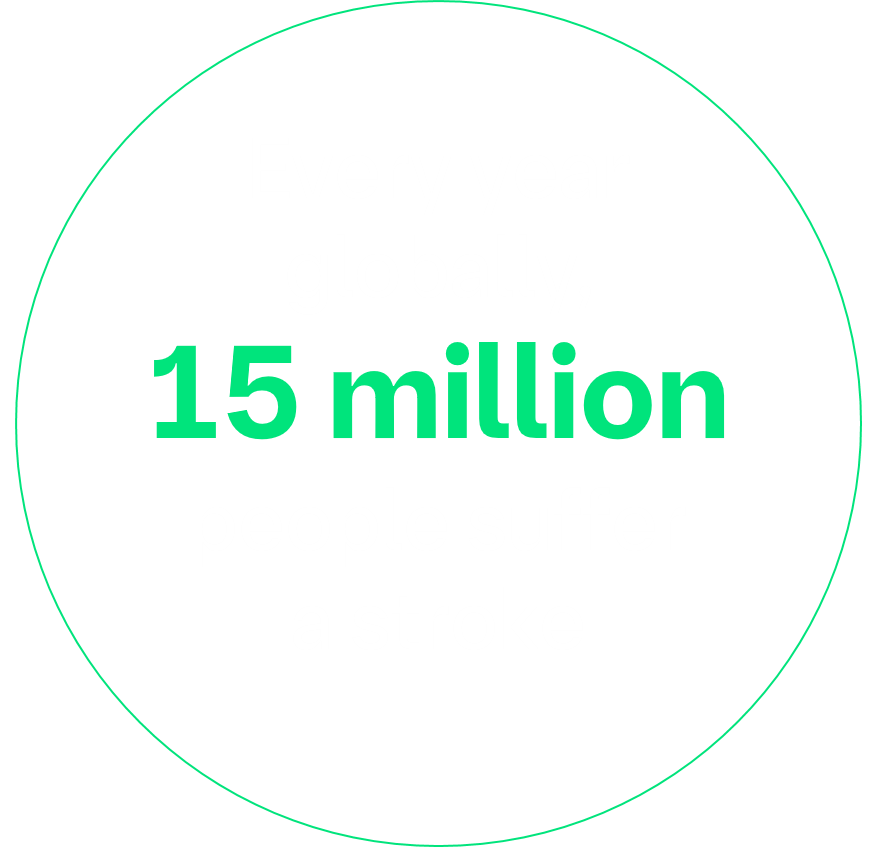
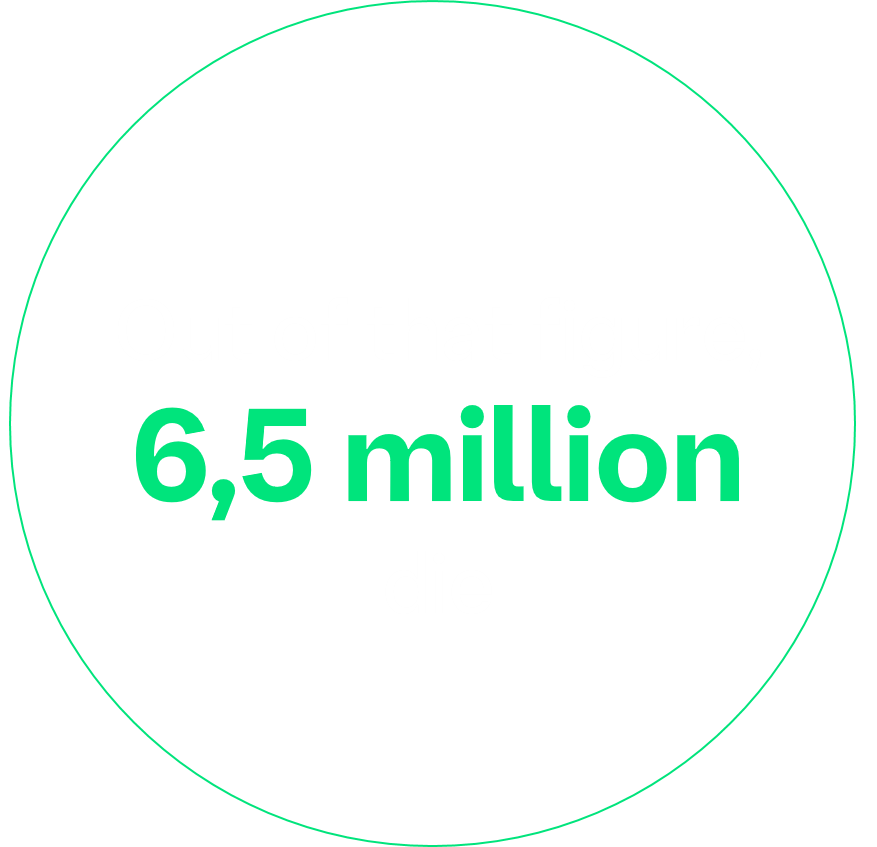
These figures define the population our model is designed to serve, and the scale at which every investment in diagnostic capacity generates measurable health impact.
Inhabitants in Salta
Province covered.
Belong to indigenous communities.
Annual vistors.
ABOUT THE STROKE
Every Minute Matters
Stroke is one of the leading causes of preventable disability, placing a significant long-term burden on patients, families, and healthcare systems. Early diagnosis and treatment dramatically improve outcomes while reducing long-term healthcare costs.
A stroke occurs when blood flow to part of the brain is interrupted. Without rapid diagnosis and treatment, millions of brain cells are lost every minute.
A CT scan is the first critical step to determine the type of stroke and guide the right treatment. That's why reducing the time to diagnosis is at the heart of the Salta Tele-Stroke Network.
THE CRITICAL WINDOW
IS ONLY

Timely and proper treatment,
can reverse the damage.
Within this timeframe,
a CT scan enables fast and accurate diagnosis.
DELAYED ACTION MAY RESULT IN PERMANENT DISABILITY OR DEATH.
Stroke in Numbers
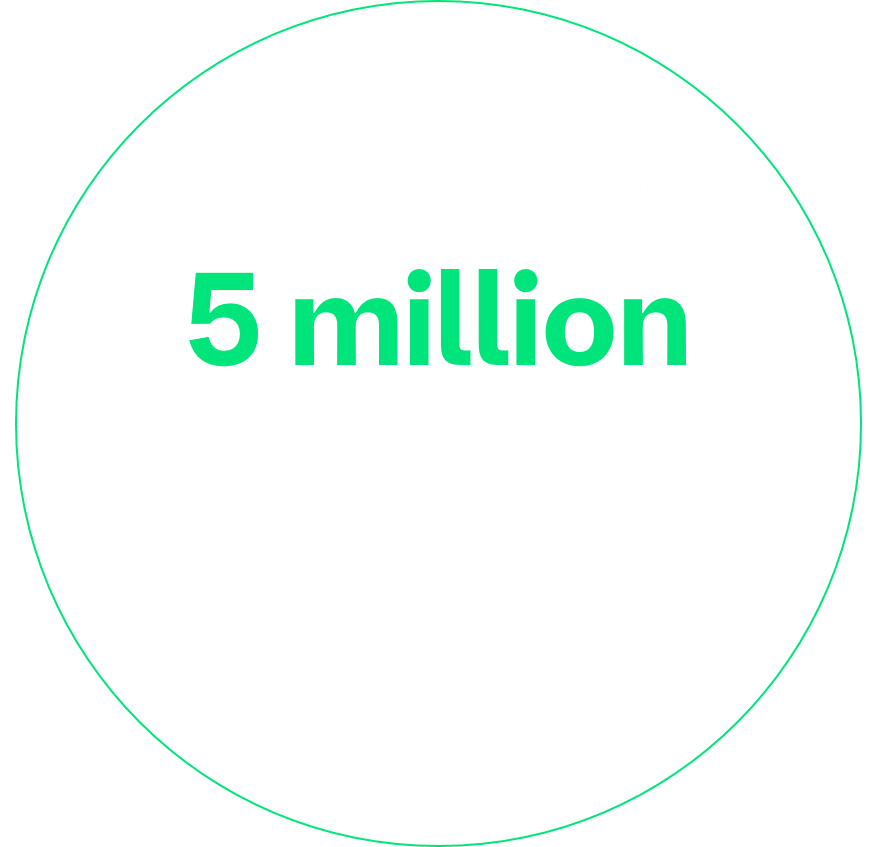
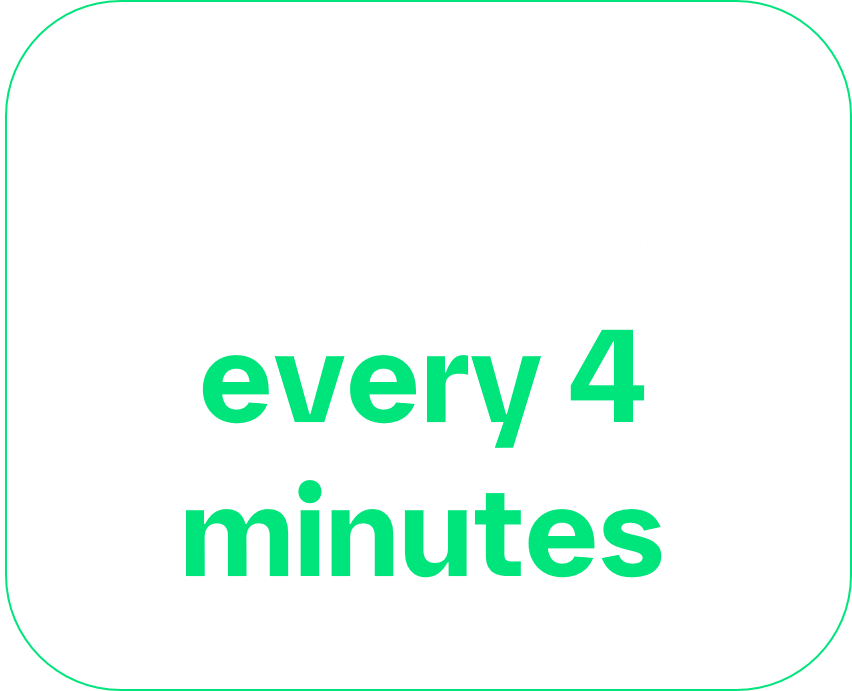
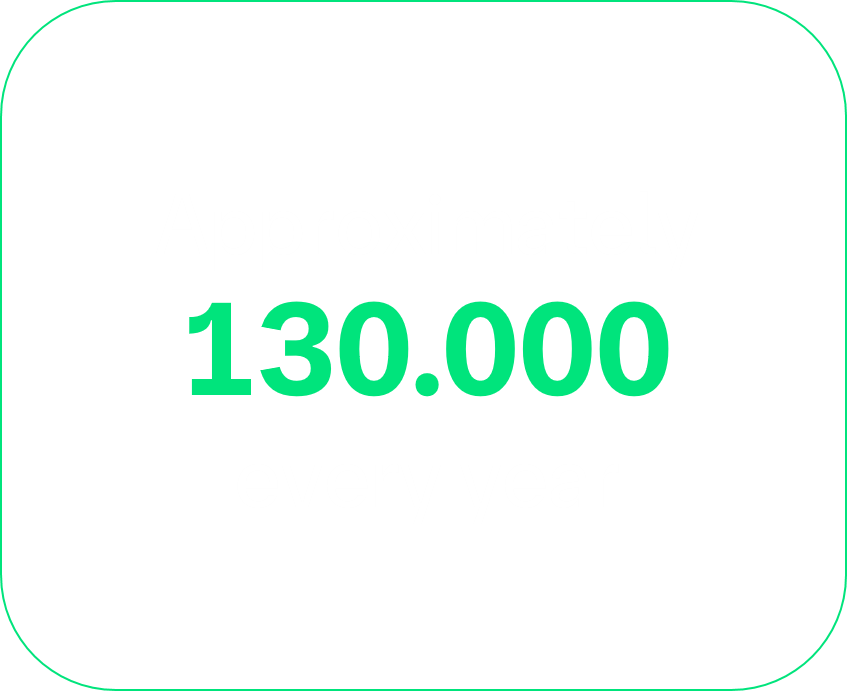
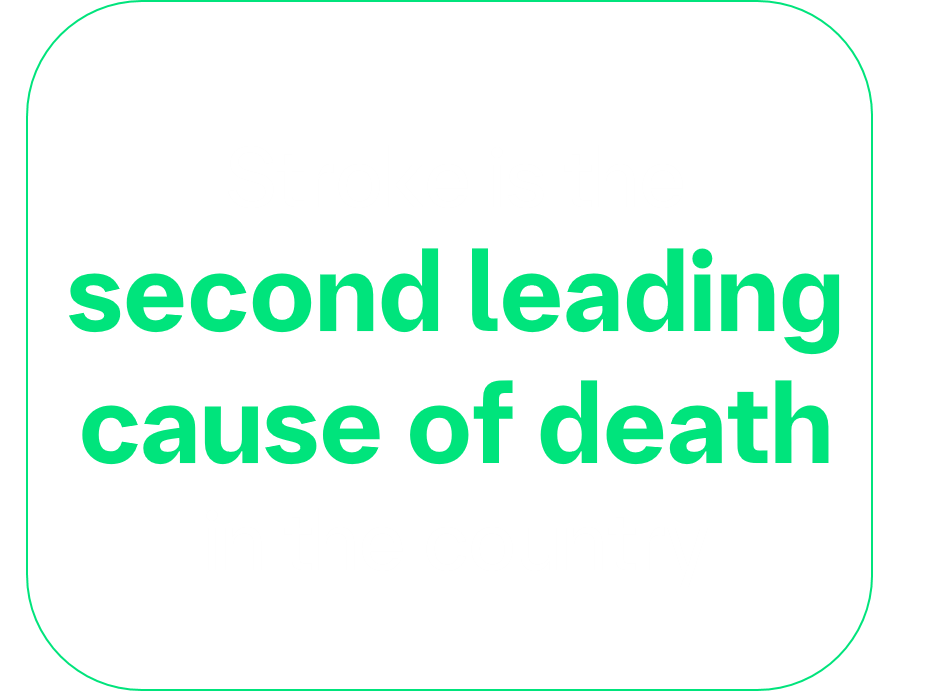
Stroke deaths in South America grew by 24.1% from 1990 to the present day

REQUIRED TECHNOLOGY
The immediate need
The network's next expansion phase requires funding for additional CT scanners to connect the remaining strategic hospitals across Salta. Each deployment includes diagnostic imaging equipment, secure telemedicine connectivity, software integration, facility adaptation, and clinical implementation.
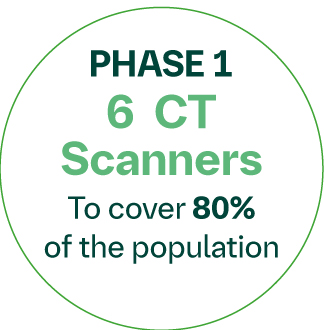
Working with the 6 current network hospitals
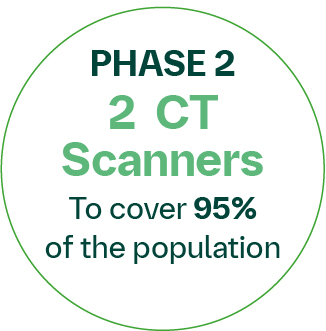
Adding 2 strategically located hospitals
Funding Supports:
CT Scanner
Telemedicine Infrastructure
Secure Connectivity
Clinical Software
icon-check
Patient Monitoring
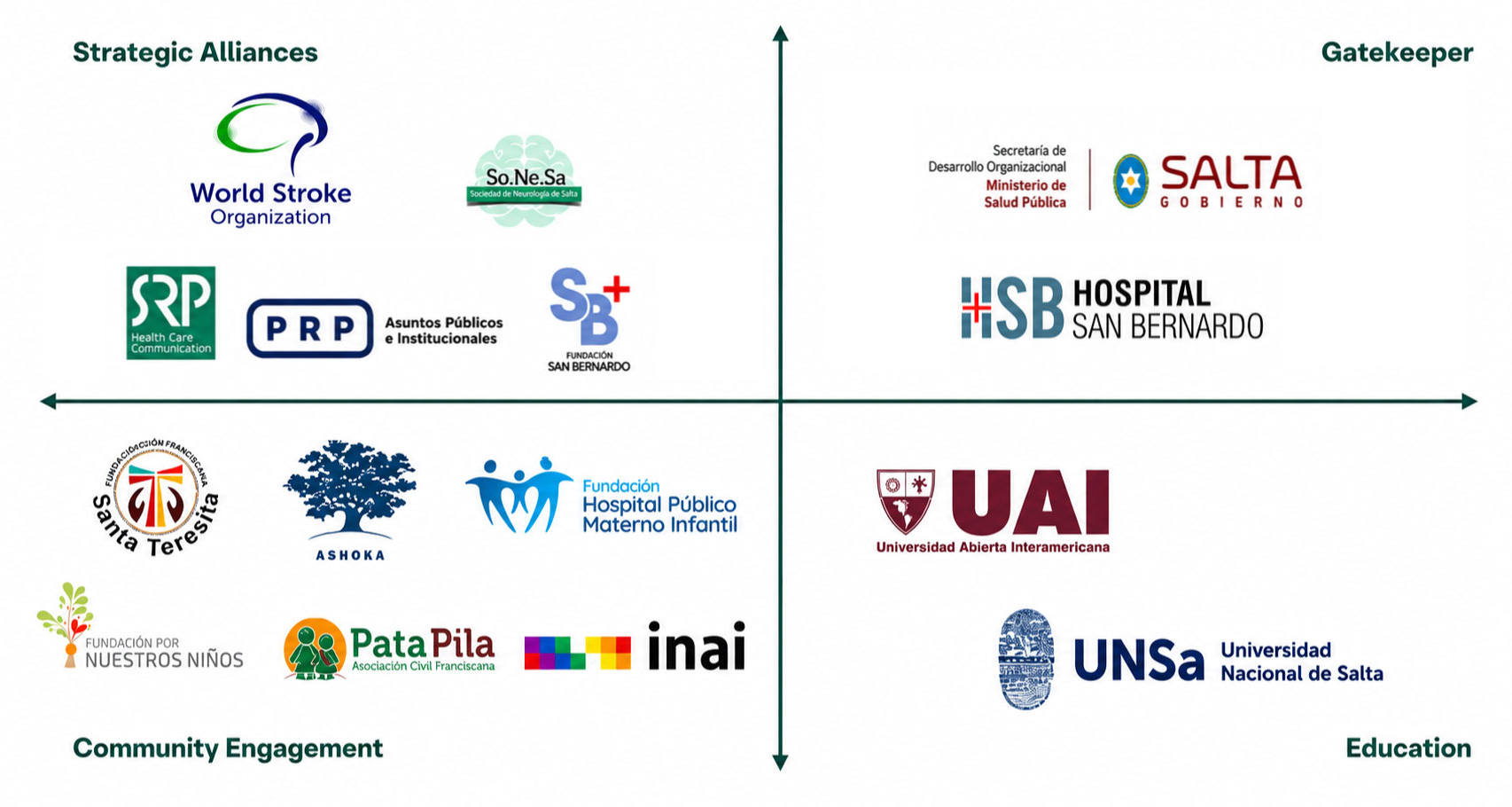
STRATEGIC PARTNERS
Alliances driving change
CONTACT US VIA E-MAIL
CONTACT
Support the Expansion of Stroke Care Across Salta